Dopamine, commonly known as the “feel good” neurotransmitter, seems simple, but its role in the brain is far more complex and vital. It is the cornerstone of motivation, focus, reward, and movement. Different substances like kratom, workout activities, and even our own behaviours influence our brain and the mechanism of dopamine signaling.
In this article, we will tell you what dopamine is, what dopamine receptors are, and their role in neurogenesis. We will also explore the commonly asked question: how does kratom affect dopamine?.
What is Dopamine?
Dopamine, or the molecule of more, is a type of neurotransmitter, a chemical messenger used by our nervous system to transmit signals between nerve cells (neurons). It is not only a pleasure chemical but a molecule of motivation and reward. Dopamine drives our goal-oriented behaviour. When we participate in something rewarding like a social interaction, cooking a delicious meal, or achieving our workout goals, our brain releases dopamine.
This surge does not just make you feel good, but it teaches you to repeat the same behaviour, creating a feedback loop that is essential for survival and learning. It also plays a critical role in regulating mood, focus, attention, and controlled physical movement.
What Are Dopamine Receptors?
Dopamine receptors are the locks and keys of the brain. If dopamine is the chemical messenger (key), then the receptors are the specialized proteins on the surface of neurons, the (locks) that receive its signal. Dopamine molecules interact with corresponding receptors, triggering a change inside the neuron, causing a cellular response.
This is how a thought or action is translated into a feeling or a physical movement. There are five main types of dopamine receptors, D1 through D5, which are grouped into two families.
D1-like receptors (D1 & D5):
These receptors are generally excitatory. They are activated when a neuron is more likely to fire.
D2-like receptors (D2, D3, D4):
These receptors are generally inhibitory and less likely to fire when they are in a neuron.
The complex interplay of receptors in different brain regions allows dopamine to play such different functions. From euphoria to reward and fine-tuning of muscle movement, dopamine does more than we think.
Dopamine & Neurogenesis: Building a Better Brain
Neurogenesis is the process of creating new neurons in the brain. A function once thought to be impossible for adults but now known to occur primarily in the hippocampus region, which is critical for learning and memory. The relation between dopamine and neurogenesis is a critical area of research; dopamine appears to play a supportive role in this process.
Correct dopamine signaling promotes a healthy environment for neurogenesis, which impacts cognitive function and memory and improves regulation and resilience to stress. It also slows the rate of age-related cognitive decline.
How Does Kratom Affect Dopamine?
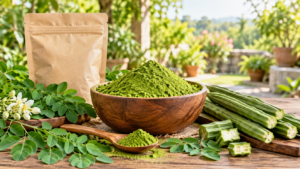
This question is quite complex, and science is still working to fully answer how kratom affects dopamine. The current understanding suggests that kratom’s influence on dopamine is indirect and multifaceted. Kratom has two main alkaloids, mitragynine and 7-hydroxymitragynine, which have a primary mechanism of action at mu-opioid receptors. It is through this opioid receptor activity that kratom is thought to indirectly influence dopamine levels.
Important Implications:
The indirect pathway is different and generally considered to have a lower abuse potential than classical opioids like heroin or oxytocin. These appeavoids have more potency, risks, and a direct surge of dopamine.
The increase in dopamine activities is a likely contributor to the mood-enhancing, motivating, and euphoric effects that many kratom users report.
You May Also Like: