Moringa and Kratom are both similar in physical form as dry powder, but their properties, uses, and effects are worlds apart. If you are choosing between them, it is not about which is better but which is suitable for your specific goals and needs. In this article, we will provide a comparison between moringa and how they fundamentally differ from each other. We will give you a clear understanding to help you make an informed decision.
What is Moringa?
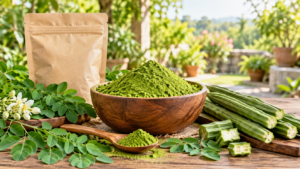
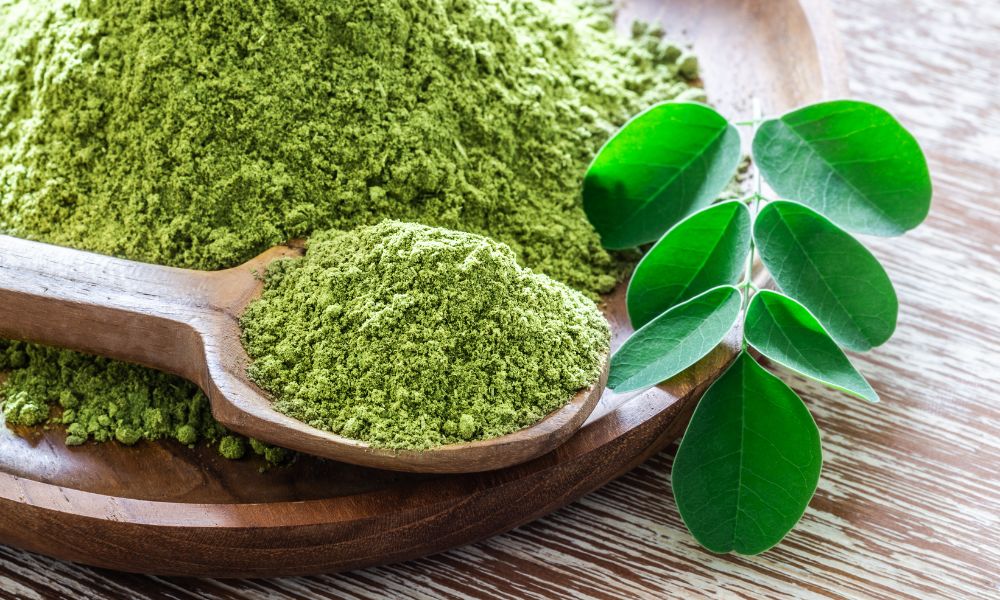
Moringa is the nutrient-dense miracle tree often called drumstick tree or miracle tree. Its full name is Moringa Oleifera, which is a native plant of Asia and Africa. Nearly every part of the tree is edible. Its leaves are dried and powdered for use as a nutritional supplement.
Moringa is used as a superfood as it comes with an incredibly dense nutritional profile. It is completely non-psychoactive, which means it does not cause intoxication or alter your mental state, mood, or perception in any way. Moringa is a food source supplement that is similar to spinach powder or wheatgrass.
What is Kratom?
Kratom comes from a tropical tree (Mitragyna Speciosa) that grows in Malaysia, Indonesia, Thailand, Papua New Guinea, and other parts of Southeast Asia. Kratom leaves are chewed directly or dried and brewed into tea.
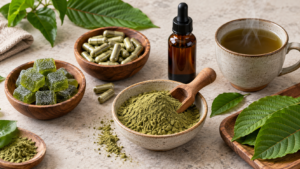
Some people also use the dried leaves powder as tablets, liquid extracts, or capsules. As kratom also belongs to the coffee family, it contains alkaloids (mitragynine and 7-hydroxymitragynine) that affect the brain and nervous system of the human body and give stimulant effects similar to caffeine.
Kratom and Moringa: A Fundamental Comparison
Moringa is a nutritional supplement, while kratom is a psychoactive botanical. The main difference lies in their primary use, as moringa is used for overall wellness and nutritional support, while kratom is used to improve mood and energy levels. It also provides relaxation and comfort. Moringa has plenty of vitamins, minerals, antioxidants, and amino acids, while kratom has alkaloids: mitragynine and 7-hydroxymitragynine.
Kratom is a bit psychoactive, while moringa is completely natural. Kratom causes dependence with regular use; however, moringa is not addictive. Moringa is widely sold as a food supplement all over the world, while the legality of kratom is complex and varies by state and country.
Moringa Benefits: Why People Take It
Moringa fills nutritional gaps and supports general health. It is packed with vitamins A, C, E, minerals (calcium, potassium, and iron), antioxidants, and all nine essential amino acids.
Reported Moringa benefits include:
Moringa boosts your daily vitamin intake by adding a powerful punch of minerals and vitamins to a deficient diet. It fights inflammation as it has high antioxidant content that combats oxidative stress. Moringa provides natural energy through better nutrition and promotes healthy skin and hair.
Who Should Take Moringa vs. Who Should Take Kratom?
This is the most important part of the kratom vs moringa decision. Your choice should be based on your personal wellness goals and lifestyle.
Who Should Take Moringa?
Moringa is an excellent choice for everyone who is looking to improve their overall health. It is specifically best for people with poor diets who are seeking a natural multivitamin alternative. Moringa is a non-stimulating energy booster that comes from a natural source. It is best for people who are looking to improve their health.
Who Should Take Kratom?
Kratom is a more specialized botanical that should be consumed with caution. It is used by individuals who are looking for a natural way to manage occasional stress, anxiety, and low energy. Kratom is an alternative support for physical discomfort. It has some potential side effects and risks of dependence. Responsible use is required with kratom consumption. It is illegal and banned in various states. Always ensure its legality in your area before buying or consuming.
Bottom Line
If you are comparing kratom with moringa, remember that they are not interchangeable, as moringa will not improve your mood or relieve pain like kratom. And Kratom does not have a nutrition-dense value like moringa.
Moringa is more of a supplement for long-term health and wellness benefits, and it cannot be used as a tool for specific short-term goals like mood enhancement. Kratom requires cautious and responsible use. You can incorporate both in your daily routine, but consuming them together might cause stomach discomfort. Both moringa and Kratom can be used daily for nutritional support.
More Readings For You: