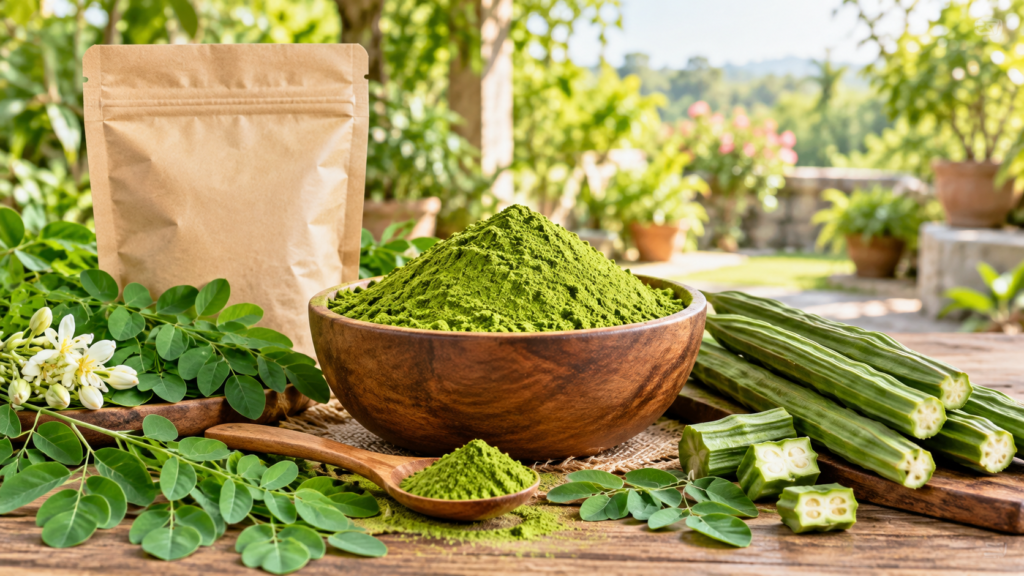
If any plant deserves the title of nutritional overachiever, it’s Moringa oleifera. Dubbed the miracle tree, tree of life, and even never-die tree across the cultures that have grown and used it for millennia, moringa has recently exploded into mainstream wellness conversations in the West, and the interest is well-founded. Behind the marketing buzz is a genuinely impressive body of nutritional science and growing clinical research.
This blog covers everything you need: what moringa is, whether it’s legal, how to take it, how much to take, and, most importantly, 20 real, research-informed moringa benefits that explain why so many people are adding it to their daily routine.
What Is Moringa?
Moringa oleifera is a fast-growing, drought-resistant deciduous tree native to the foothills of the Himalayas in northwestern India. It now grows across tropical and subtropical regions worldwide, across Africa, Southeast Asia, Central America, and the Caribbean, partly because it thrives in conditions that would defeat most food crops: poor soils, minimal rainfall, high temperatures.
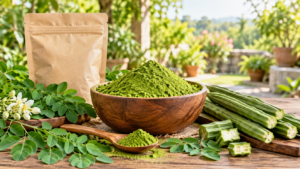
The entire moringa tree is edible. Leaves, seed pods, flowers, seeds, and even the roots have culinary and traditional medicinal applications. But for supplement use, it’s the leaf that matters most. Dried moringa leaf powder contains a concentrated array of vitamins, minerals, essential amino acids, and plant polyphenols that make it one of the most nutrient-dense superfoods per gram in the world.
Gram for gram, moringa leaf powder contains more protein than yogurt, more iron than spinach, more calcium than milk, and more vitamin C than oranges. That’s before accounting for its roster of antioxidant compounds, including quercetin, chlorogenic acid, kaempferol, and isothiocyanates, that have attracted increasing scientific attention.
Benefits of Moringa
1. Extraordinary Nutritional Density
The foundation of all moringa benefits is its sheer nutritional profile. Dried moringa leaves contain all nine essential amino acids, making them a complete plant protein source, rare among vegetables.
A 10-gram serving of moringa powder delivers meaningful amounts of vitamin A, vitamin C, calcium, potassium, iron, and magnesium. For people whose diets are low in micronutrients, moringa functions as a broad-spectrum nutritional insurance policy.
2. Rich in Antioxidants
Moringa leaf contains high concentrations of polyphenol antioxidants including quercetin, chlorogenic acid, and kaempferol. Antioxidants neutralize free radicals, unstable molecules that cause oxidative damage to cells.
3. Supports Healthy Blood Sugar Levels
One of the most studied moringa benefits relates to blood glucose management. Chlorogenic acid, found in high concentrations in moringa leaves, inhibits certain digestive enzymes that slow sugar absorption after meals.
A human trial published in Frontiers in Pharmacology found that women who took moringa leaf powder daily for three months experienced a modest but statistically significant reduction in fasting blood sugar compared to controls.
4. Supports Healthy Cholesterol Levels
Several studies have examined moringa’s effect on lipid profiles. The mechanism may involve moringa’s phytosterol content, which can compete with dietary cholesterol for absorption. These findings have been replicated in both animal models and small human trials.
5. Anti-Inflammatory Properties
Moringa leaves contain isothiocyanates, the same class of anti-inflammatory compounds found in broccoli, cauliflower, and other cruciferous vegetables. Chronic low-grade inflammation is implicated in many modern health conditions, making anti-inflammatory botanicals a subject of growing scientific interest. Moringa’s isothiocyanate content gives it a legitimate place in that conversation.
6. High-Quality Plant Protein
Dried moringa leaf powder contains 25–30% protein by dry weight, a remarkable concentration for a leafy plant. More importantly, the protein is complete, meaning it provides all nine essential amino acids that the body cannot synthesize on its own.
This makes moringa particularly valuable for vegetarians and vegans looking to diversify protein sources and for older adults who may struggle to meet protein requirements.
7. Exceptional Iron Content
Iron deficiency is one of the most common nutritional deficiencies globally, particularly affecting women of reproductive age, pregnant women, and those following plant-based diets. Moringa leaf powder contains approximately 28 mg of iron per 100 grams, significantly higher than spinach (3.6 mg/100g) or lentils (3.3 mg/100g).
While the non-heme iron in moringa is less bioavailable than heme iron from animal sources, consuming it alongside vitamin C (also present in moringa) enhances absorption.
8. Supports Bone Health
Moringa is an excellent plant-based source of calcium, providing around 440 mg per 100 grams of dried leaf powder. For comparison, whole milk provides about 125 mg per 100 ml.
Calcium is the primary structural mineral in bones and teeth, and consistent intake across the lifespan is critical for maintaining bone mineral density, particularly for post-menopausal women and older adults at risk of osteoporosis. Moringa also contains phosphorus and magnesium, both of which play supporting roles in bone metabolism.
9. Supports Eye Health
Moringa leaves are rich in beta-carotene, the plant-based precursor to vitamin A. Vitamin A is essential for maintaining the photoreceptor cells in the retina, supporting night vision, and protecting against age-related macular degeneration.
A 100-gram serving of fresh moringa leaves provides around 16 mg of beta-carotene, a substantial contribution to daily vitamin A needs from a single food source.
10. Natural Energy Support
Unlike stimulant-based energy supplements that work through caffeine or synthetic compounds, moringa’s energy-supporting properties stem from its dense nutritional content. B vitamins (including B1, B2, B3, and B6) are present in significant amounts, these are the coenzymes involved in cellular energy production (the conversion of food into ATP).
Iron contributes by supporting red blood cell production and oxygen transport. Users frequently report improved sustained energy levels with consistent moringa use, which nutritionally makes complete sense.
11. Supports Brain Function
Moringa contains neuroprotective antioxidants, notably quercetin and vitamin E, that protect neurons from oxidative damage. Human clinical evidence in this area is still developing, the neurological basis for interest in moringa as a brain-supportive botanical is established.
12. Supports Skin Health
Moringa seed oil, extracted from moringa seeds rather than leaves, has long been valued in cosmetics and traditional skin care. It contains oleic acid (making it deeply moisturizing), as well as antioxidants including vitamin E and polyphenols.
Topical moringa oil has been shown to have hydrating and soothing properties. Internally, moringa’s high vitamin C content supports collagen synthesis, while its antioxidants combat oxidative skin aging. Both applications have legitimate scientific backing.
13. Liver Protective Properties
Several animal studies have found that moringa extract has hepatoprotective (liver-protecting) effects. The proposed mechanism involves moringa’s antioxidant compounds reducing lipid peroxidation in liver cells. Human data in this area remains limited, but the animal findings are consistent.
14. Antimicrobial Properties
Moringa leaf extract inhibited the growth of E. coli, Staphylococcus aureus, and Pseudomonas aeruginosa at low concentrations, three pathogens with significant clinical relevance.
The antimicrobial properties appear to derive from moringa’s isothiocyanates and glucosinolates. While these are in-vitro findings that don’t directly translate to using moringa as an antibiotic substitute, they add another dimension to its bioactive profile.
15. Supports Healthy Blood Pressure
Moringa contains quercetin and isothiocyanates that have demonstrated blood pressure-lowering effects in some studies, potentially through their effects on blood vessel tone and nitric oxide availability.
Potassium, present in meaningful amounts in moringa, is a well-established dietary contributor to healthy blood pressure. People taking antihypertensive medications should discuss moringa supplementation with their doctor, as combined effects are possible.
16. Supports Thyroid Function
Moringa contains zinc and selenium, two minerals that play critical roles in thyroid hormone production and conversion. Zinc is a cofactor for the enzyme that converts T4 to the more active T3 form.
While moringa is not a thyroid treatment, its mineral profile makes it a supportive nutritional addition for thyroid health as part of a balanced diet. People with thyroid conditions or on thyroid medication should seek medical guidance before use.
17. Supports Weight Management
Animal studies have found that moringa helped reduce visceral and subcutaneous fat in models of diet-induced obesity. The proposed mechanisms include chlorogenic acid’s effects on fat metabolism and glucose regulation, as well as moringa’s impact on certain digestive enzymes.
Human studies in this specific area are limited, and no clinical claims can be made, but as a low-calorie, high-fiber, high-protein supplement, moringa naturally supports satiety and metabolic health as part of a balanced dietary approach.
18. Rich in Vitamin C
Moringa fresh leaves contain approximately 200 mg of vitamin C per 100 grams, nearly twice the vitamin C content of oranges. Vitamin C is a water-soluble antioxidant critical for immune function, collagen synthesis, wound healing, and iron absorption.
Note that vitamin C is heat-sensitive; dried and powdered moringa retains less than fresh leaves, but meaningful amounts remain. Moringa’s vitamin C content contributes to multiple of its other documented benefits.
19. Supports Digestive Health
Moringa leaves are a source of dietary fiber, which supports healthy bowel function, feeds beneficial gut bacteria, and contributes to satiety. Traditional use of moringa across South Asia and Africa included application for digestive discomfort, a use that has some modern nutritional support.
20. Sustainably Sourced and Globally Accessible
This final benefit is about the plant itself rather than a biological effect. Moringa trees grow in some of the world’s most resource-constrained environments, thriving in poor soils, with minimal water, in high heat. They grow rapidly, produce year-round, require no pesticides, and fix nitrogen in the soil. From a sustainability and food security perspective, moringa is among the most resource-efficient nutritional sources on the planet.
Choosing moringa as a supplement means supporting a crop that has genuine social and ecological value in the communities that grow it.
Is Moringa Legal?
Yes, moringa is legal in the United States and in the vast majority of countries worldwide. It is sold as a dietary supplement and as a food ingredient without restriction in the US, UK, Canada, Australia, and across Europe. The FDA classifies moringa as a food and dietary supplement; it is not a controlled substance and is not subject to any drug scheduling.
Moringa leaf powder, capsules, teas, and extracts are all commercially available without a prescription and can be purchased online, in health food stores, and through supplement retailers. There are no known restrictions on importing or purchasing moringa products in Western markets.
How to Take Moringa
Moringa is a flexible supplement that can be incorporated into a daily routine in several ways:
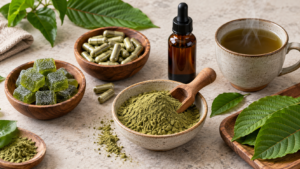
- Capsules or tablets: The most convenient format. Pre-measured, tasteless, and easy to travel with. Moringa capsules simply deliver a standardized serving of dried leaf powder without the preparation or taste considerations of other methods.
- Powder: Moringa powder has a mild, earthy, slightly bitter taste, similar to matcha or spirulina. It can be stirred into water or juice, blended into smoothies, added to soups, mixed into yogurt, or incorporated into baking.
- Tea: Moringa loose-leaf or bagged teas are widely available and offer a gentler way to consume the plant. Note that some water-soluble compounds are extracted well in tea, but some heat-sensitive nutrients may degrade with boiling water.
- Fresh leaves: In regions where moringa grows, fresh leaves can be used directly in cooking, added to salads, stir-fries, stews, and dals. Fresh leaves are harder to find in Western markets but are nutritionally superior in vitamin C content compared to dried forms.
Moringa Dosage: How Much Should You Take?
There is no officially established recommended daily intake for moringa in the United States, as it is classified as a dietary supplement rather than an approved drug.
Important notes on moringa dosage:
- Start with a smaller serving for the first week to assess tolerance
- Take with food to minimize the chance of digestive discomfort
- If you are pregnant, nursing, or managing a chronic condition, particularly diabetes, thyroid disease, or hypertension, speak with a healthcare provider before starting moringa, as it may interact with certain medications
- Avoid root or root bark extracts; stick to leaf-derived products
- Choose products with third-party testing to confirm purity and the absence of heavy metal contamination
Final Thoughts
The moringa benefits list is long because the plant itself is genuinely exceptional. Its combination of complete protein, essential micronutrients, diverse antioxidant compounds, and multi-system bioactive properties makes it one of the most nutritionally compelling supplements available, and one with thousands of years of cultural use backing modern science.
That doesn’t mean moringa is a substitute for medical care or a treatment for any condition. It means that as a daily nutritional supplement, moringa earns its miracle tree reputation more honestly than most products with that kind of marketing behind them.
More Resources
What Is Better For Sleep Red Or Gold Kratom?
Kratom vs Weed: Which One’s Better for Pain, Mood, and Relaxation?
Kratom and Oxycodone: Dangerous Combo or Potential Alternative?