Kava has captured global attention as one of the most distinctive plant‑based beverages and extracts available. Originating in the South Pacific, this botanical has a long history of cultural use and social traditions. As kava’s popularity has spread, modern products like kava extract powder have emerged alongside traditional kava, creating a clear distinction between old‑school preparation and contemporary convenience.
In this blog, we’ll explore traditional kava vs kava extract powder in depth. You’ll learn what kava actually is, how it has been used historically, what differentiates extract powder from classic preparations, safety considerations, including side effects often discussed by users, practical use and preparation methods, and how to decide which format is right for you.
What Is Kava? Understanding the Plant and Its Traditional Roots
Kava is a plant scientifically known as Piper methysticum. It grows primarily in the South Pacific, especially in places like Fiji, Vanuatu, Tonga, and Samoa, where it has been cultivated for generations. The name “kava” comes from the Polynesian word ‘awa, which loosely translates to “bitter.” This name reflects the plant’s distinctive taste that many newcomers notice right away.
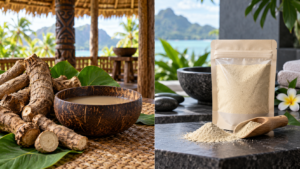
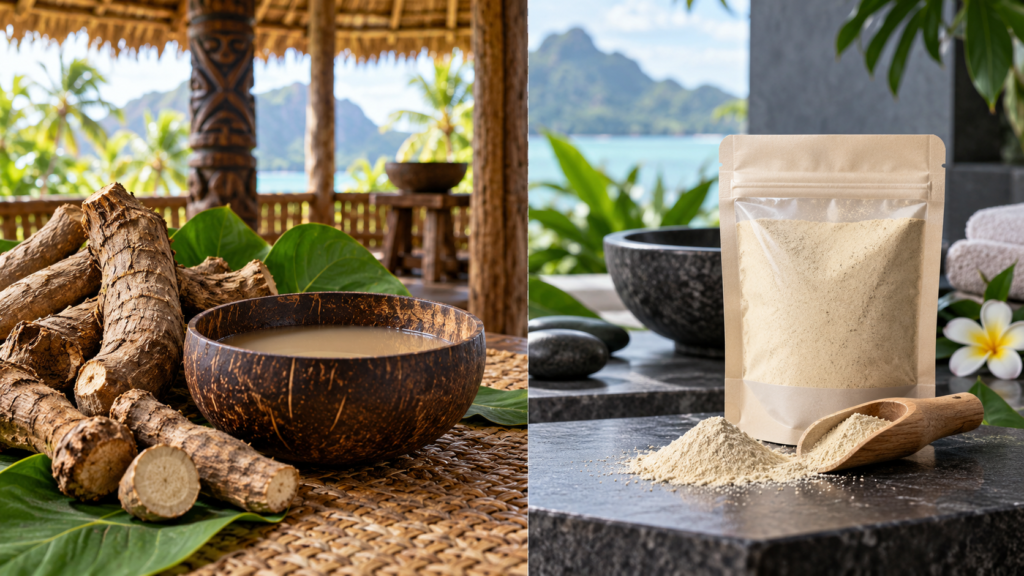
Unlike many plants used around the world, kava has one part that is most valued: the root. Traditionally, the root is harvested, dried, and either crushed or ground for preparation. It’s the compounds naturally present in the root, often called kavalactones, that contribute to the plant’s unique sensory experience. These compounds vary somewhat by region, soil, and cultivation methods, which is part of why different cultural traditions have their own interpretations of how kava should be prepared and consumed.
Traditional Use of Kava: Ritual, Culture, and Community
Kava’s history is deeply intertwined with community and ritual. In many Pacific Island cultures, the preparation and sharing of kava beverages serve social, ceremonial, and sometimes spiritual purposes.
Traditional Preparation Methods
In a classic setting, kava root is processed by drying and grinding into a powder. This powder is then mixed with water, often cool or room temperature, and either kneaded by hand or rubbed through a cloth to filter out solids. The resulting liquid is slightly opaque with a distinctive, earthy aroma and flavor.
This method of preparation reflects generations of practice. It’s a hands‑on process requiring patience and intention, and it naturally creates a sense of ceremony around consumption.
Kava Ceremonies and Social Context
Across the Pacific, shared kava drinking in the form of kava shots and kava tea brings people together for community gatherings, peacekeeping dialogues, celebrations, and rites of passage. The act of preparing, serving, and drinking kava fosters connection. Cups may be passed in a prescribed sequence, conversations weave through shared space, and the rhythm of preparation becomes part of the experience.
Modern Formats: Kava Extract Powder Emerges
While traditional kava preparation remains deeply valued, modern lifestyles and global demand have given rise to alternative formats, particularly kava extract powder.
Kava extract powder is a processed form of the kava root that has been concentrated and dried into a fine powder. The idea is to capture key components of the plant in a format that’s more convenient, portable, and consistent than traditional root powder.
Unlike the classic method—where you prepare a fresh batch of kava drink each time—extract powder is made to be mixed quickly with water or other liquids, allowing easier use for people with busy routines or those who simply prefer a straightforward preparation process.
What Makes Extract Powder Distinct
The term “extract” refers to the process of concentrating elements of the kava root so that a smaller amount of powder may offer a more consistent level of characteristic compounds compared to traditional bulk root powder. This doesn’t mean the extract is inherently stronger in every case; rather, it’s produced through controlled manufacturing steps that aim to standardize what’s in each packet.
In contrast, traditional root powder varies based on soil, climate, harvest time, and drying methods—resulting in natural differences from batch to batch.
Traditional Kava vs Kava Extract Powder: Key Differences
To appreciate why people might choose one form over the other, it helps to compare traditional kava and kava extract powder on several practical dimensions.
Preparation Depth and Ritual
- Traditional Kava: Involves active preparation. You make a fresh batch each time by mixing ground root with water and filtering. This process takes time and invites participation. It’s a ritual with its own pace and sensory context.
- Kava Extract Powder: It is designed for quick preparation. You mix a measured amount of extract powder with water or another beverage and enjoy it almost immediately. There’s no need for sieves, cloth filters, or extended preparation time.
Consistency and Standardization
- Traditional Kava: Natural variation is part of the package. Different harvests bring subtle changes in aroma and character.
- Kava Extract Powder: Tends to be more standardized. Manufacturers often control the extraction and drying process to achieve consistent characteristics across batches.
Portability and Convenience
- Traditional Kava: Is less portable. Carrying root powder, strainers, and tools makes it more suited to home or community settings.
- Kava Extract Powder: Excels in portability. Single‑serve packets or small containers make it easy to take extract powder with you on the go.
Sensory Experience
- Traditional Kava: Has a rich texture and flavor shaped by the full root and preparation methods.
- Kava Extract Powder: Offers a more streamlined taste experience. Depending on how it’s prepared, it may be smoother or more tailored to individual preferences.
These differences don’t imply that one form is categorically “better” than the other. They simply represent distinct experiences and use cases. Your preference may depend on how you value ritual versus convenience, sensory texture versus standardization, and time investment versus speed.
Kava Extract Powder: A Closer Look at Production and Use
Kava extract powder begins with the same raw material as traditional kava: the root. What sets it apart is how that root is processed.
Manufacturing Process Essentials
Kava extract powder is produced by extracting specific compounds from the root, typically through solvent or water‑based extraction methods, and then evaporating the liquid into a concentrated form. This concentrated liquid is dried into a powder that can be easily reconstituted.
The goal of extraction is to produce a powder with predictable characteristics that can be shipped, stored, and used without the need for traditional preparation techniques.
How People Use Extract Powder
Using kava extract powder is often straightforward:
- Measure a serving of extract powder based on product guidelines.
- Mix it into water or another beverage.
- Stir thoroughly until dissolved.
- Enjoy.
Some users choose to combine extract powder with mild flavor enhancers like coconut water, fruit juice, or other mixers to create a more familiar taste profile. Because the extract dissolves easily, it’s an appealing option for people with limited time or those who prefer a simpler preparation process.
Traditional Kava vs Kava Extract Powder: Experience and Practicality
Translating the differences into real‑world experience can help clarify what each format offers.
Traditional Kava Experience
Traditional kava invites engagement. The process of preparing the beverage, filtering it, and sharing it with others sets a rhythm that aligns with social settings and cultural tradition. Some people embrace this rhythm as part of the overall enjoyment, finding value in the hands‑on aspect of preparation and the sensory depth of the final drink.
Kava Extract Powder Experience
Kava extract powder, on the other hand, focuses on efficiency. It strips away the preparation rituals in favor of a quick, dependable serving. The flavor tends to be more consistent from one use to the next, and people who prefer simplicity often appreciate this format.
Travelers, busy professionals, or people trying kava for the first time may gravitate toward extract powder precisely because it reduces preparation time and minimizes the tools needed.
Kava Side Effects
When discussing traditional kava vs kava extract powder, it’s important to acknowledge that kava, like many botanical products, can come with responses that vary among individuals.
Although we aren’t discussing health benefits or clinical claims, people commonly share observations about how they feel after consuming kava in either form. These are general perceptions rather than scientifically substantiated effects.
Some people report sensations such as:
- A mild change in focus or calmness
- Altered sensory impressions
- A sense of relaxation of tension
- Different degrees of flavor and mouthfeel experiences
It’s worth noting that experiences vary widely depending on the type of kava, vein color (in traditional root), preparation method, and individual sensitivity. Some users find extract powder produces a sensation that feels more immediate and consistent, while others feel traditional kava provides a richer, deeper sensory journey.
Additionally, some individuals report temporary mouth dryness or a mildly bitter taste—which is part of kava’s characteristic flavor profile—particularly with traditional preparations.
Because these are broad observations rather than definitive claims, personal exploration and moderate use are common approaches for people interested in experiencing kava in its different formats.
Choosing Between Traditional Kava and Kava Extract Powder
Deciding between traditional kava and kava extract powder depends on your priorities, preferences, and lifestyle.
If You Value Ritual and Tradition
If the process of preparation itself is meaningful to you—or if you enjoy participating in traditional or communal kava gatherings, classic root preparations may be more satisfying. The ritual of mixing, kneading, and sharing aligns with cultural heritage and social context.
If You Value Convenience and Consistency
If you lead a busy lifestyle, travel frequently, or prefer minimal preparation, kava extract powder may be more appealing. Its standardized format makes it easier to prepare consistently without tools or time‑intensive steps.
If You’re New to Kava
New users sometimes prefer extract powder simply because it allows for gradual familiarization. The predictable nature of the powder can make early experiences smoother for those unfamiliar with kava’s traditional preparation and taste.
Preparation Tips and Best Practices
Whether you choose traditional kava or kava extract powder, a few practical tips can enhance your experience.
For Traditional Kava
- Use cool or room‑temperature water—hot water can alter flavor.
- Knead thoroughly and strain well to remove solids.
- Allow time for the liquid to settle before serving.
- Experiment with cloth or mesh strainers to find a texture you prefer.
For Kava Extract Powder
- Start with the manufacturer’s recommended serving size.
- Mix thoroughly—some extract powders dissolve more easily than others.
- Use a shaker cup or stirring tool to ensure even blending.
- Try pairing with beverages you enjoy to refine flavor.
These simple steps help you get the most out of each format without overcomplicating the process.
Storage and Shelf Life Considerations
Proper storage helps maintain quality over time.
- Traditional Kava Root Powder: Keep in a cool, dry place away from direct sunlight. Moisture and heat can affect texture and flavor.
- Kava Extract Powder: Often comes in sealed packets or containers designed to preserve consistency. Still, storing it in a cool, dry environment helps maintain its intended profile.
In both cases, airtight containers and minimal exposure to air and humidity support longevity and freshness.
Cultural Respect and Modern Use
Traditional kava isn’t just a beverage—it’s part of cultural heritage in many South Pacific societies. As global interest grows, it’s meaningful to approach the plant with respect for its origins. For some people, traditional kava is more than a format—it’s a connection to community, ritual, and history.
Kava extract powder represents modern adaptation: taking the plant’s essence and making it accessible to broader audiences with contemporary lifestyles. Each format reflects different values, and neither replaces the other. Instead, they coexist, offering options that reflect a balance between tradition and modern convenience.
Final Thoughts
The comparison between traditional kava vs kava extract powder highlights two distinct ways of engaging with the same botanical heritage. Traditional kava remains tied to ceremonial roots, social rituals, and hands‑on preparation. It offers texture, depth, and cultural resonance that many people hold dear.
Kava extract powder, on the other hand, prioritizes accessibility, consistency, and ease of use. It simplifies preparation, supports standard dosing, and fits neatly into modern routines and busy lifestyles.
If communal ritual and artisanal preparation matter most to you, traditional kava may feel like a richer experience. If simplicity, portability, and consistency are your priorities, kava extract powder might be the perfect fit.
By understanding the defining characteristics of each format, including how they’re prepared, experienced, and integrated into daily life, you can explore kava in ways that align with your personal values and lifestyle.
More Resources
What Is Better For Sleep Red Or Gold Kratom?
Kratom vs Weed: Which One’s Better for Pain, Mood, and Relaxation?
Kratom and Oxycodone: Dangerous Combo or Potential Alternative?