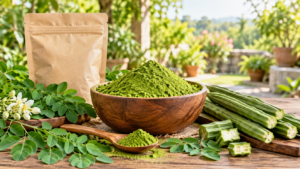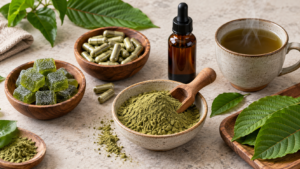
The peculiar taste and odour of kratom protest among botanicals due to the multisensory experience, which could be termed bitter, earthy, herbal, and even bold.
Whether you are new to kratom or a long-time consumer, a kratom evaluation can result in a total pleasure or a pain experience, which depends on how you appreciate the factors that influence its flavor preference and how to make it more palatable.
In this blog, we’ll take a deep dive into the flavor profile of kratom, including its aroma and flavors that are trending in the industry, as well as how to enhance or balance its natural flavor.
The Distinctive Aroma of Kratom
In the case of kratom, aroma is tightly bound to the identity of the matter in question. Raw powder kratom is usually very pungent and possesses a grassy and herbaceous aroma with notes of woodiness.
The smell is earthy and raw, as many describe it, even some compare it to fresh-cut grass or green tea leaves, but there is a heavier, more resinous quality. The smell speaks of the natural oils along with the alkaloids that exist within the leaf, and is also indicative of the particular strain, region, and processing style.
Certain kratom powders can also present slight floral or citrus notes, in particular those that grow in a particular ground or time of year. Aroma is a decent precursor indicator of the quality because fresh and well-dried kratom possesses a great number of natural scents and oils.
Understanding Kratom’s Smell
Kratom’s smell derives from a combination of factors:
- Alkaloid content: These compounds contribute sharpness and bitterness.
- Terpenes and plant oils: Similar to other botanicals, these give kratom its subtle herbal and sometimes spicy fragrance.
- Processing: The way kratom leaves are dried and ground impacts aroma intensity and character.
- Storage: Exposure to air and light can diminish the smell quality over time.
While some users find the strong smell off-putting initially, it often grows on them and is seen as part of kratom’s natural charm.
Kratom Flavors: Bitter, Earthy, or Sometimes Bold?
The kratom taste is dominated by its characteristic bitterness, which can be quite strong for first-time users. This bitterness originates mainly from its alkaloids, plant-based compounds responsible for kratom’s overall profile. Flavors can be broken down as follows:
- Bitter: The main sensory experience for most users, lingering on the tongue and challenging to mask.
- Earthy: Reflects the plant’s natural origin; a soil-like, woody undertone is common.
- Herbal/Grassy: Similar to green tea or other dried leafy herbs—sometimes fresh and vibrant.
- Bold and Robust: Certain strains, especially some white and green vein varieties, present bolder, sharper flavor profiles with subtle citrus or floral notes to balance bitterness.
Despite bitterness being the hallmark, some kratom strains stand out for softer flavor profiles or unique finishing notes. For example, Green Malay is often reported to have a sweeter, smoother edge, while some Red Bali varieties lean into richer, woodier tones.
Best Kratom Flavors for Flavor-Conscious Users
Here are some popular strains noted for their relative palatability or distinctive taste nuances:
- Green Malay: Known for a smooth, slightly sweet, and fresh flavor with minimal harshness.
- White Maeng Da: Offers boldness with sharper citrus tones that mask some bitterness.
- Red Bali: Offers a deeper, earthier flavor that some find comforting and easier to mix.
- Gold Kratom: Typically, a blend or specially processed kratom with a mellow flavor and less bitterness.
- Yellow or Gold strains: Known for mild and balanced flavors without intense bitterness.
Choosing a strain based on flavor preference rather than just origin or vein color can improve the taste experience overall.
Practical Tips: How to Make Kratom Taste Good
For those who find kratom’s natural taste challenging, there are several effective strategies to improve palatability:
1. Mix into a smoothie or milkshake
Some kratom users add kratom powder into their morning smoothie or protein shake. As an example, adding a dosage of Green Vein kratom powder to a nutritious blueberry smoothie can help promote long-lasting energy.
Make the most of the citrus-infused or chocolate-flavored deliciousness of a blended drink infused with kratom. Get the wholesome goodness of fruit or protein and the potentially good outcome of kratom in one great beverage. The flavor of kratom will become less strong and less repellent.
2. Toss and Wash method
The toss and wash technique is one of the most popular methods to consume kratom powder, as it is simple and may assist in reducing the bitter taste of the botanical.
The practice of this technique is the necessity to select and pour a favorite drink. Be sure not to have the drink with ingredients believed to negatively affect the experience of kratom.
Weight out your dosage of kratom. It is advisable to put kratom powder on the tongue. When your beverage is prepared, you can swallow the kratom in the back of your throat. Finish the drink you have poured.
3. Brew kratom into tea
Kratom tea is a centuries-old favorite drink in Southeast Asian countries where kratom trees naturally grow. It’s easy to make this possibly soothing beverage in the comfort of your own home, and the tea can mask kratom’s natural flavor.
There are many methods used to make kratom tea, but here are several of the most efficient:
- Add a few drops of a preferred kratom liquid extract to a cup of brewed tea
- Create your kratom tea bags with Golden Monk kratom powder (or purchase pre-made bags from a reputable brand that sells kratom tea). Let simmer for 15 minutes. Drink and enjoy.
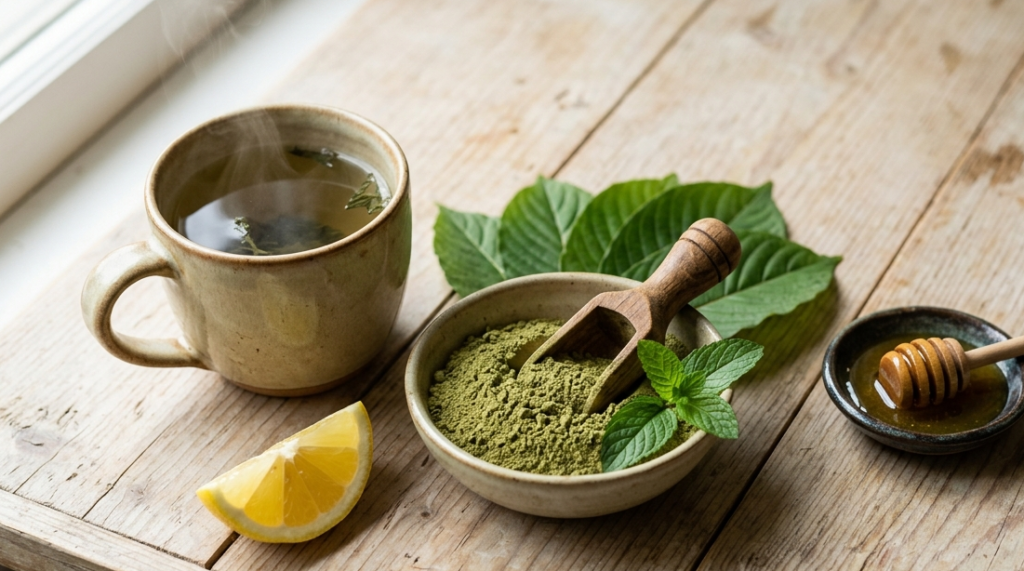
- Carefully measure a serving size of kratom powder. Place in the bottom of a teacup. Add boiling water. Add preferred spices, lemon juice, and honey. Stir until the powder is completely blended.
4. Combine with citrus juice
Fill a glass of juice with citrus juice, orange, mango, or pineapple juice. Put into the juice a recommended dose of kratom powder. Blend by stirring. The citrus taste will mask the earthy taste of kratom and make the botanical easy to swallow.
5. Sprinkle kratom onto a favorite meal
A measured dose of kratom can also be added to a preferred meal. Thicker foods, such as pasta, can reduce the tannic kratom taste. Prepare food and stir powdered kratom into the meal. Cooking the kratom might cancel its possible positive effects or have a negative effect.
Enhancing the Experience: Kratom Potentiators for Taste and Effect
Certain natural ingredients can serve as potentiators—enhancing both the taste and experience of kratom:
- Ginger: Adds a spicy, warming note and can reduce nausea.
- Turmeric: Combines well with kratom and has a mild, earthy flavor.
- Cinnamon: Offers a sweet-spicy flavor that complements kratom’s bitterness.
- Peppermint: Refreshing and cooling, counteracts kratom’s earthy aroma.
Using potentiators not only helps with taste but also can customize your kratom routine.
Kratom Aroma and Taste: A Personal Journey
According to many users, they find that their senses concerning the smell and taste of kratom change over time. The once bitter or too astringent becomes part of the tradition of kratom, acquiring an earthy, pleasantly grounding aroma and flavor that cements its quality and legitimacy.
New users should find a flavor profile that they love by trying out the various strains, methods of preparation, and mixers. Seasoned consumers usually add kratom with other herbs or artificial flavorings, transforming the process into a multisensory experience.
Final Thoughts
The distinctive bitter and bold flavor of kratom is constructed by its chemistry, location of growth, and processing procedures. It has a rich aroma/flavor profile of earthy and grassy, to citrus and floral.
To those concerned with the taste of the supplement, the proper choice of strains and employing tastier techniques such as citrus mixing, sweeteners, or steeping tea may help to turn kratom into the most pleasant botanical ceremony.
Regardless of your leaf powders or capsules preferences, knowing about kratom taste will allow you to have a more flavorful and pleasurable experience that honors this several-hundred-year-old tradition.