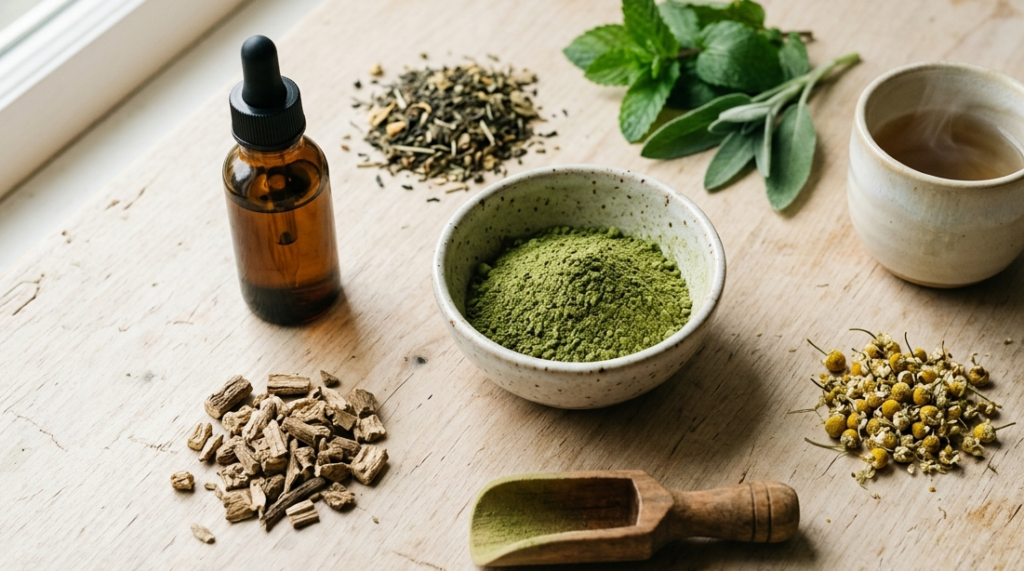
Kratom has made a unique place among herb communities, but the increasing popularity of natural wellness options motivates more people to seek alternatives to kratom. Due to legal or personal concerns, or simply because one would like to experience something different, the current market offers a diverse variety of botanicals and products that create unique experiences.
Whether it be ancient, such as kava, modern such as CBD, blue lotus or ashwagandha, this comprehensive guide reveals the very best kratom alternatives -including uses, benefits, and how to select the best one suited to you.
What Are Kratom Alternatives?
Other botanical and plant products include substitutes for kratom; the various botanicals and plant extracts may be used instead of kratom in areas where kratom is prohibited or by people who want to have another experience.
These substitutes can be related to kratom as having partial common characteristics in assisting in relaxation or overall good health, but their effectiveness, legality, and cultural backgrounds are usually varied.
Why Use Kratom Alternatives?
Choosing kratom alternatives can be motivated by several reasons:
- Legal Restrictions: In regions where kratom is banned or unavailable, alternatives allow users to pursue similar experiences or wellness goals.
- Tolerance Management: Using different botanicals can help avoid building tolerance to any single one.
- Personal Wellness Exploration: Each plant or supplement offers its own set of active compounds and effects, expanding one’s herbal toolkit.
- Desire for Milder or Different Effects: Some alternatives are gentler than kratom, making them attractive for casual use.
- Interest in New Rituals: Botanicals like kava or blue lotus have rich traditions and are often used in communal settings.
1. Kava
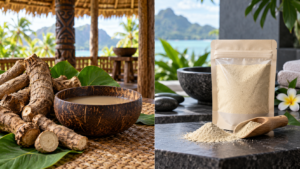
Kava is a highly accepted natural alternative to Kratom, meant to provide relaxation support that is quite capable of competing with the efficiency of Kratom. Its consumption, also, is increasing in the United States. The Food and Drug Administration has treated the use of Kratom pretty harshly, but it does not give Kava the same kind of attention it gives to Kratom.
Kava and Kratom are frequently sold side by side in the United States or as compounded products since Kava goes well with the effects of Kratom.
Kava is derived from Piper methysticum, a plant deeply rooted in the traditional medicine of South Pacific Islander cultures. It’s often enjoyed for its calming properties, one of the main reasons Kratom is used. The National Center for Complementary and Integrative Health (NIH) notes that Kava has been studied for a variety of uses.
Kava’s primary active compounds are kavalactones, thought to influence feelings of calmness and well-being. Unlike some Kratom strains, such as White Maeng Da, which may be more energizing, Kava is predominantly known for relaxation and social ease.
2. Kanna
Other users compare Kanna vs Kratom as they have similar pharmacology and the possibility of increased effects. Another plant that could be considered in the search for herbal products such as Kratom is called Kanna or Sceletium tortuosum.
The Kanna succulent is native to South Africa, where pastoralists and hunter-gatherers traditionally used it. They valued Kanna for its calming and centering effects.
You may remember that Kratom has alkaloids like mitragynine and 7-hydroxymitragynine. Kanna also has active alkaloids, mainly mesembrine, though they work differently from Kratom, more similar to serotonin reuptake inhibitors. Users report that taking Kanna makes them feel calm and focused. Some also find it mildly stimulating in lower doses, while higher amounts may be more sedative.
3. Akuamma Seeds
Picralima nitida seeds, or Akuamma, is a tree that grows in West Africa and has effects similar to Kratom. The active constituent of akuamma, akuammine, is structurally related to one of the main Kratom alkaloids, mitragynine.
It is thought that akuamma may interact with certain receptors and offer potential for general physical ease. Some users also report relaxing effects, positioning it as a Kratom replacement option, possibly akin to Red Vein Kratom.
However, akuamma seeds are infamous for their intensely bitter taste, which can be a significant deterrent for some individuals. They are often ground and placed into capsules to bypass this issue.
- Scientific research on akuamma effects is a bit limited.
- Anecdotal reporting is key. You can learn a lot from Reddit.
- Effects may vary.
- Always check sourcing and for possible regulations where you live.
4. Blue Lotus
Nymphaea caerulea, commonly known as Blue Lotus, is an Egyptian native water lily which had a long history of respect within Egyptian antiquity. The traditional medical use was especially identified as a result of calming and possibly psychoactive activity.
People often consume Blue Lotus as a tea or infused in wine, to lift their spirits and help them relax. Blue Lotus may be a good alternative for those seeking a hassle-free botanical support that’s easily accessible for purchase.
The active compounds in Blue Lotus are thought to be apomorphine (a dopamine agonist) and nuciferine. Users make Blue Lotus tea, sipping for reported “calm and dreamy” effects.
Compared to Kratom, Blue Lotus generally exhibits much milder effects. Quality can vary significantly, as can the effects of this herb. Be sure when you buy Blue Lotus online, you’re ordering the real thing.
5. CBD: Cannabidiol
CBD or cannabidiol has been enjoying massive popularity in recent years as a daily supplement, even going hand-in-hand with the effects of Kratom. It is among more than a hundred cannabinoids that are found in the cannabis plant.
In contrast to THC, no psychoactivity exists in CBD and therefore will not produce a euphoria or high, which is a reason why this compound is a desired supplement of wellness. CBD oil or other products in which CBD can be found are popular substances that have been sought out by many individuals as a store of various purposes, one of which is shared with the people who take Kratom.
CBD also acts on the endocannabinoid system that exists within the body and aids in the alleviation of pain, stress cycles, etc. Although the research is conservative, the numerous reports of users state that they feel calmer and more stable after regular usage. CBD is not seen as an addictive drug, so many like the harm reduction without fear of addiction, withdrawals, and even overdose.
Available as oils, tinctures, edibles, capsules, and topicals, CBD’s effects vary by form and dosage. Unlike Kratom, its effects are often more subtle and gradual rather than immediate.
CBD is widely legal and accessible (though state laws may differ) and is generally considered safe. Still, it’s important to choose high-quality products with third-party lab testing.
6. Ashwagandha
Ashwagandha is a staple in Ayurvedic tradition, known as an adaptogen for helping the body adapt to stress.
- Uses: Promotes balance, resilience to stress, and daily wellness.
- Formats: Powder, capsules, tinctures, teas, oils.
- Key Benefit: Adds gentle relaxation and stamina to daily routines.
Ashwagandha oil is especially popular for those who want the adaptogenic properties in a convenient format.
How to Choose and Use Kratom Alternatives
- Assess Your Needs: Decide if you want relaxation, mood support, calm, or other effects.
- Pick the Right Format: Teas and tinctures offer ritual; capsules and gummies provide convenience.
- Check Legal Status: Make sure your chosen botanical is permitted in your region.
- Source Quality Products: Buy from lab-tested, reputable suppliers; look for purity and clear labeling.
- Experiment Mindfully: Start with small servings, note your body’s response, and adjust accordingly.
Key Benefit of Using Kratom Alternatives
The top kratom substitutes provide effective, natural, flexible, approachable support of health objectives-sometimes with unique customization and lighter effects. An exploration of kava, CBD, blue lotus, and ashwagandha opens up a new world of botanicals that reassures the user that there is more than just kratom to consider as well.
Final Thoughts
Regardless of the motive, whether it is for legal purposes, tolerance, or even wellness exploration, the kratom alternatives provide trustworthy areas of natural relief. Kava offers drug-free socialization, CBD offers everyday balance and access, blue lotus offers ceremonial enhancement with ancient symbolism, and ashwagandha offers adaptogens to modern lives.
Whether it be lab-tested extracts or centuries-old teas, these options guarantee each user will be able to shape their own experience with confidence and creativity. When you are shopping to make botanicals work with your lifestyle, remember to consume quality, think creatively about testing, and enjoy the full depth of experience these options have to offer.
More Resources
What Is Better For Sleep Red Or Gold Kratom?
Kratom vs Weed: Which One’s Better for Pain, Mood, and Relaxation?
Kratom and Oxycodone: Dangerous Combo or Potential Alternative?