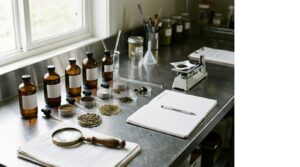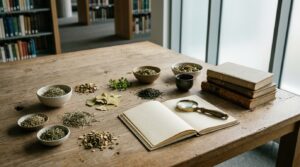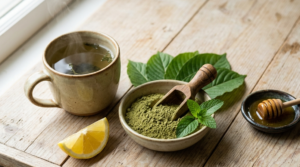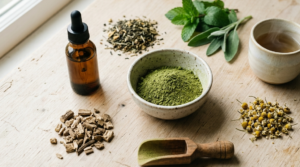
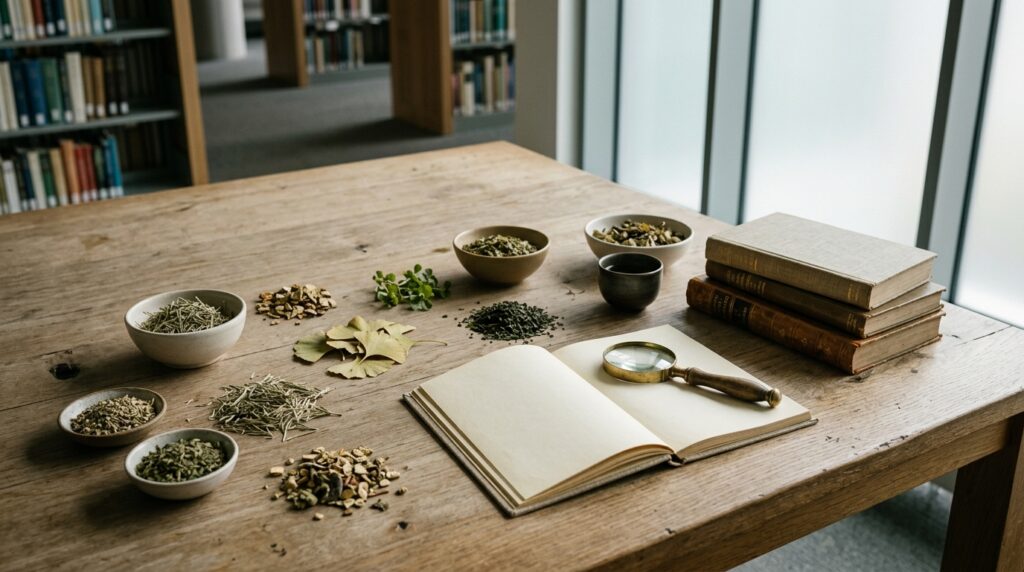
Calming ethnobotanicals have been a significant focus in recent years as natural botanical companions that promote relaxation and well-being. Based on centuries of cultural knowledge, these natural healing resources are appreciated as they may be used to soothe, find emotional stability, and feel calmer without using synthetic substances.
In the context of 2025, it is crucial to comprehend what ethnobotanicals are, the range of calming ethnobotanical supplements, and how some botanicals can be used to relieve stress in anyone seeking natural wellness.
What Are Ethnobotanicals?
Ethnobotanicals are traditionally used plants by the indigenous and local cultures to serve in different purposes such as food, medicine, ceremony, and day-to-day living.
The name is based on ethnocultural or ethnic groups, and on botany, which means the study of plants. The science of human interactions with plants in various societies is known as ethnobotany.
These plants are admired not just due to their biochemical properties but also because they constitute part of the cultural identity and the collective knowledge that is transmitted over generations.
Certain ethnobotanicals become well-known due to their calming, anti-inflammatory, or stimulating properties, which are investigated by both traditional and modern studies.
Ethnobotanical ingredients in the modern marketplace of herbal supplements are commonly standardized, extracted, and formulated to satisfy modern consumer demands and respect ancient traditions.
Ethnobotanical Supplements
Ethnobotanical supplements are preparations of these traditional plants or extracts, an attempt to provide convenient, daily-use forms of these preparations. They can be in various forms, including capsules, teas, tinctures, powders, and essential oils.
Common calming ethnobotanical supplements include:
- Ashwagandha: A revered adaptogen with a long history in Ayurveda, often used to support relaxation and resilience to stress.
- Chamomile: Popular for its gentle calming effects, typically manufactured as tea or a tincture.
- Valerian Root: Used traditionally to encourage a restful state and relaxation.
- Lavender: Widely utilized in aromatic forms like essential oils and sprays for promoting calm environments.
- Blue Lotus: Historically sacred and prized for soothing and subtly calming properties.
- Passionflower: Long known for its calming aromas and mild sedative qualities.
Manufacturers take care to preserve the phytochemical integrity through gentle extraction methods, securing consistent and safe products for consumers.
Ethnobotanical for Stress Relief
Stress, as the inevitable element of modern life, tends to make people resort to natural remedies. Calming ethnobotanicals provide a multi-factorial action that could reduce stress and promote peace.
Some of the most notable calming ethnobotanicals for stress relief include:
- Ashwagandha (Withania somnifera): Classified as an adaptogen, it helps the body adapt to stress and promotes balance.
- Chamomile (Matricaria chamomilla): Known for soothing nerves and supporting relaxation, often consumed as an herbal tea.
- Lavender (Lavandula angustifolia): Used extensively in aromatherapy, its scent supports a calming mood and restful ambiance.
- Passionflower (Passiflora incarnata): Traditionally used for relaxation and emotional calm, frequently found in tinctures and supplements.
- Gotu Kola (Centella asiatica): Valued for mental clarity and calming effects, widely used in teas and extracts.
- Lemon Balm (Melissa officinalis): Appreciated for its mild calming and uplifting qualities, often paired with other calming herbs.
Moderation and quality selection are crucial when incorporating these botanicals to ensure the best experience.
Using Calming Ethnobotanicals in Your Routine
Following some practical tips can help maximize the soothing effects of calming ethnobotanicals:
- Start with Trusted Brands: Choose supplements and herbal products from reputable, transparent vendors with third-party testing.
- Proper Dosage: Follow label recommendations or professional guidance. More is not always better.
- Timing Matters: Many calming herbs are best taken in the evening or before potentially stressful situations.
- Combine with Relaxation Practices: Pairing herbs with meditation, breathwork, or gentle movement enhances benefits.
- Monitor Your Body’s Response: Keep track of effects and adjust usage accordingly.
- Avoid Mixing Without Guidance: Combining multiple supplements or medications should be done cautiously and ideally under expert supervision.
- Stay Consistent: Regular use can build cumulative benefits, but be mindful of tolerance.
Key Benefit of Calming Ethnobotanicals
Calming ethnobotanicals are the primary attraction due to their robustness in history and a variety of chemical profiles that, combined, could assist in building up a kind of natural, holistic sense of calm.
These botanicals do not have any isolated synthetic drugs, which provide layered and subtle effects that promote a balance of mind and emotions in a broader wellness concept.
Final Thoughts
Calming ethnobotanicals are a natural, sophisticated form of stress relief that is based on centuries of the human-plant association. Learning about ethnobotanicals, choosing quality calming supplements, and putting their best practices into practice are all key steps to utilizing the healing power of nature as we head into 2025.
Ashwagandha, chamomile, and lavender are examples of well-known botanicals that have a long botanical history that remains in perfect harmony with the current wellness demands.
More Resources
What Is Better For Sleep Red Or Gold Kratom?
Kratom vs Weed: Which One’s Better for Pain, Mood, and Relaxation?
Kratom and Oxycodone: Dangerous Combo or Potential Alternative?