To have a real rest and be rejuvenated, it is crucial to have good, deep sleep. Although the number of hours may accumulate, a lack of good, deep sleep may make you feel exhausted and inattentive.
In this blog, we’ll discuss the process of sleeping better, the particular tips that would help sleep better, especially deep sleep, the stages of sleep, and the major benefits of deep sleep.
Understanding the Stages of Sleep
Sleep is a complex process cycling through four main stages multiple times per night:
- Transitional Sleep: Moments just before fully falling asleep where consciousness fades.
- Light Sleep: Heart rate slows, muscles relax, body temperature drops.
- Deep Sleep: The hardest phase to wake from, critical for physical restoration.
- REM Sleep: Dreaming occurs; brain activity increases while muscles remain relaxed.
Deep sleep is part of the non-REM phases and is characterized by slow delta brain waves. It’s the phase most responsible for the body’s physical rejuvenation processes.
Why Deep Sleep Matters
Deep sleep provides key benefits, including:
- Cell regeneration and tissue repair
- Increased blood flow to muscles
- Strengthening immune function
- Energy restoration for the following day
- Supports overall physical recovery
Without adequate deep sleep, daytime fatigue and reduced performance can occur despite total sleep hours.
How to Sleep Better and Increase Deep Sleep
Making simple lifestyle and environmental adjustments can boost both sleep quality and duration of deep sleep stages:
1. Set a Consistent Sleep Schedule
Going to bed and waking up at the same time each day trains the circadian rhythm, helping the body anticipate and prepare for sleep.
2. Create a Sleep-Friendly Environment
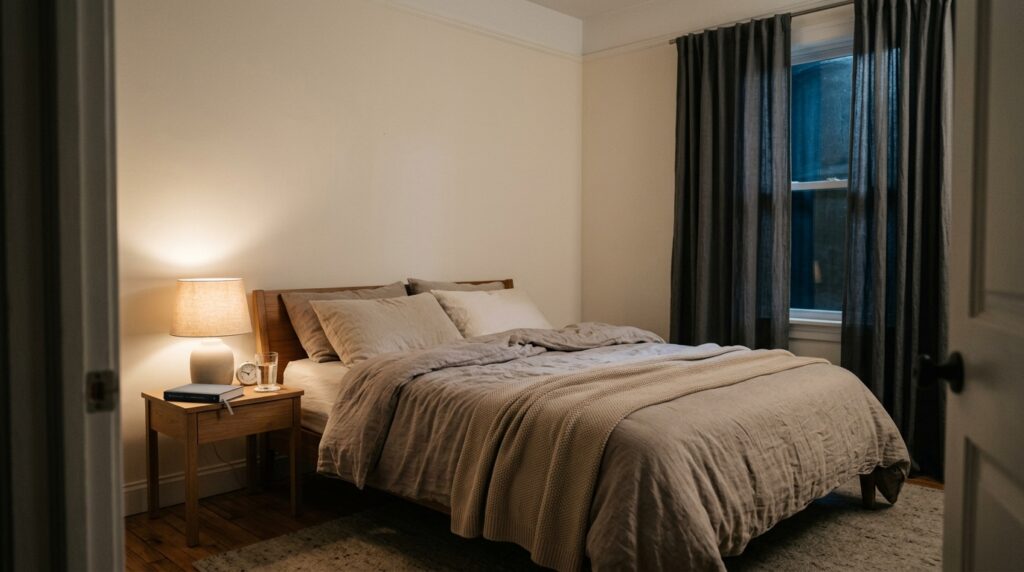
Limit exposure to artificial lights and loud noises. Use blackout curtains, eliminate blue light from screens before bedtime, and maintain a cool, quiet room.
3. Avoid Stimulants Before Bed
Reduce caffeine, nicotine, and heavy meals in the evening to help the body relax and transition into deeper stages of sleep.
4. Establish a Relaxing Pre-Sleep Routine
Activities like reading, gentle stretching, or meditation help calm the mind and body.
5. Consider Natural Sleep Aids for Short-Term Use
Examples include melatonin for brief periods, though it may cause side effects and isn’t recommended long-term.
6. Explore Cannabidiol (CBD)
CBD is becoming popular as a potential sleep aid that may support deep sleep without intoxication or sedation. Usage includes tinctures, edibles, or topical preparations.
How Kratom Can Affect Your Sleep
Kratom consists of alkaloids, and there are two major types of them: Mitragynine and 7-Hydroxymitragynine. These are the chemicals that help kratom affect sleep induction. Kratom contains many different alkaloids, and some of them influence Dopamine and Serotonin receptors in the brain, whose purpose, among many others, is to control the sleeping cycle.
The interaction between kratom’s alkaloids and neurotransmitter systems triggers a slowdown in the nervous system, resulting in calmness and sedation. This calming effect helps reduce tension and stress, two common antagonists of sleep.
Top 5 Kratom Strains for Sleep
From a general user’s perspective, the green strains are known for energy, mood, and focus, while reds are primarily known for their calming and relaxing effects necessary for sleep. Below are the best kratoms for restful sleep:
1. Red Maeng Da Kratom:
Red Maeng Da Kratom is simply among the widely used types of kratom with a high potential to deliver various effects. It is also important to note that while kratom may have varying effects on its users, these effects may be a result of tolerance, dosage intake, and the quality of the kratom. Red Maeng Da is more famous for its sleep-inducing effects, energy-boosting properties, and mood-enhancing effects.
However, when taken in large quantities, the substance has depressant qualities, like a sleeping pill. Some people have reported using it because it makes them feel relaxed and sleepy, so it might be an option for people with sleep disorders, especially those caused by pain or anxiety.
The uses are not always positive, and there is a possibility of side effects, interactions, tolerance, and dependency on the product over time. As with any of the substances, it is particularly important to seek advice from a professional or a doctor before deciding to use red maeng da kratom for sleep specifically.
Pros:
- Natural alternative to pharmaceutical sleep aids.
- Long-lasting relaxation.
- Helps in reducing nighttime anxiety.
- May alleviate insomnia symptoms.
- Can promote deeper sleep cycles.
Cons:
- Limited availability in many geographical areas.
2. Red Bali Kratom:
Red Bali Kratom, which is developed from the seeds of the plant found in Bali, Indonesia, is a popular and highly demanded strain. It is widely used as it is known to have a pretty strong anesthetic effect, which helps in producing sleep, relaxation, and coping with stress and pain.
The distinctive red-veined leaves signify its strain and leaf maturity. While effects vary by dosage, users often report a sense of well-being and calmness.
Start with a low dose, as higher quantities can introduce potential side effects like nausea and dizziness. The legal landscape for kratom varies globally, making it essential for users to familiarize themselves with local regulations.
Pros:
- Aids in reducing insomnia symptoms.
- Enhances sleep quality.
- Helps decrease nighttime anxiety.
- Supports a regular sleep cycle.
- Assists in achieving deeper sleep.
Cons:
- May be addictive.
- Not suitable for daytime use for some individuals.
3. Red Borneo Kratom:
Red Borneo Kratom is harvested from the tropical island of Borneo and is famous for its ability to help people fall asleep. Predominantly used in traditional practices, this strain boasts of a powerful euphoric and sedative component.
It has been said that ‘it works wonders’ by many a user, especially when it comes to insomnia-related problems, where it helps to ease anxiety and stress to give way to a good night’s sleep. Like other kratom strains, dosage is paramount: starting small is recommended to gauge its impact.
Pros:
- Supports a regular sleep pattern.
- Decreases physical discomfort at night.
- Improves overall sleep duration.
- Beneficial for those with irregular sleep habits.
- Can diminish nighttime awakenings.
Cons:
- Not all products are organic
- Potential for dependence or addiction.
4. Green Malay Kratom:
Green Malay Kratom is derived from the forests of Malaysia and is known for providing both energy and leisure in equal proportions. Contrary to the red-veined types of the strain, Green Malay isn’t only used for its sedative qualities.
Yet, many users appreciate its prolonged, moderate effects to tackle sleep disruptions caused by anxiety or discomfort.
Pros:
- Enhances overall sleep quality.
- Can help reduce bedtime anxiety.
- Balances energy and relaxation.
- Supports deeper and restful sleep.
- Alleviates minor pain that disrupts sleep.
Cons:
- Regulatory concerns and legal restrictions in some areas.
- Varying effects based on individual tolerance and dosage.
5. Red Vein Indo Kratom:
Red Vein Indo Kratom is known for its dedication to providing high-quality Kratom that helps with sleep. Red Vein Indo Kratom, originating from Indonesia, is particularly popular for its effect that may help users fall asleep. This strain contains red veins and is believed to cause relaxation and eliminate anxiety.
Because so many users find Red Vein Indo helpful for managing stress and anxiety, it is often used to achieve calm conditions for a good night’s sleep. It has gained attention from people seeking a herbal cure for sleep disorders because of the sedative effects it exerts.
Pros:
- Assists in achieving deeper sleep cycles.
- Reduces nighttime restlessness.
- Helps alleviate bedtime anxiety.
- Supports a consistent sleep pattern.
Cons:
- Risk of dependence
- Potential for addiction
Additional Tips for Deep Sleep Success
- Stay hydrated but minimize liquids before bed to reduce wake-ups.
- Avoid naps that interfere with nighttime sleep rhythm.
- Exercise regularly but not too close to bedtime.
- Manage stress proactively with mindfulness or breathing exercises.
Final Thoughts
Prioritizing deep sleep helps unlock the full restorative power of a good night’s rest. By understanding sleep stages and adopting targeted habits, anyone can improve their deep sleep quality.
Whether through consistent schedules, environmental tweaks, or natural aids like CBD, better deep sleep leads to feeling energized and ready each day.
More Resources
What Is Better For Sleep Red Or Gold Kratom?
Kratom vs Weed: Which One’s Better for Pain, Mood, and Relaxation?
Kratom and Oxycodone: Dangerous Combo or Potential Alternative?